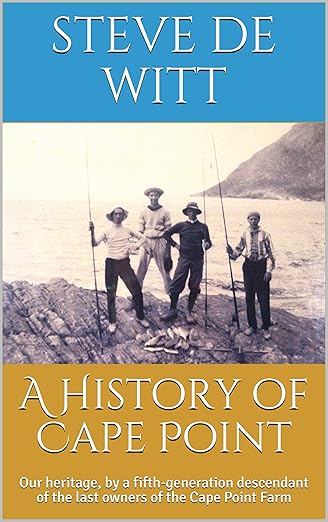
The Cape Point National Park, some 30 km south of Cape Town, South Africa, lies at the end of Africa. Over time this famous Cape has assumed mythical and strategic importance, and is today visited by a million tourists annually.
In a broad overview, Steve de Witt examines the history of the peninsular, moving from the Stone Age to the twentieth century. The last owners of the Cape Point farm were the Smith family, forebears of the author, who sold the fabled Cape of Good Hope to the Cape Town Divisional Council in 1939. The deed of sale stipulated that the property be turned into a nature reserve.
The author examines the difficult transition from private to public ownership that led to this fabled peninsular being spared from residential development. Original photographs from the author's family archive compliment the text.
In a broad overview, Steve de Witt examines the history of the peninsular, moving from the Stone Age to the twentieth century. The last owners of the Cape Point farm were the Smith family, forebears of the author, who sold the fabled Cape of Good Hope to the Cape Town Divisional Council in 1939. The deed of sale stipulated that the property be turned into a nature reserve.
The author examines the difficult transition from private to public ownership that led to this fabled peninsular being spared from residential development. Original photographs from the author's family archive compliment the text.
Subscribe to my Readers List for newsletters, articles and promos